


Retailers and distributors asking what are the essentials for camping are usually working from a different angle than an individual shopper packing for a weekend trip. The question isn’t just what one camper needs, it’s what a full customer base needs across different trip types, budgets, and experience levels, and getting that assortment right directly affects sell through, margin, and repeat business. This guide breaks down camping essentials by category specifically from a stocking and sourcing perspective, covering what belongs on the shelf and what to look for when buying at wholesale volume to fill it.
What Are the Essentials for Camping From a Retail Stocking Perspective
Before breaking down specific categories, it helps to reframe the question retailers actually need answered. What are the essentials for camping isn’t a single fixed list, it changes based on who’s buying, a first time car camper has completely different needs than a backcountry backpacker, and a smart stocking strategy accounts for that variation rather than treating camping gear as one undifferentiated category. The categories below cover the core essentials nearly every camper needs regardless of experience level, followed by guidance on how to adjust assortment for different customer segments.
Shelter and Sleep Systems
Shelter and sleep gear form the foundation of any camping essentials assortment, and they’re usually the first thing a new camper researches when planning their first trip.
Tents Across Different Price Tiers
A well stocked shelter section needs coverage across at least three price and quality tiers, an entry level tent for budget conscious first timers, a mid range option balancing durability and price for regular campers, and a premium tent for serious enthusiasts willing to pay for lighter materials and better weather resistance. Retailers often make the mistake of over indexing on either the cheapest or the most premium options without enough middle ground, when in reality the mid tier category typically drives the most consistent volume across a broad customer base.
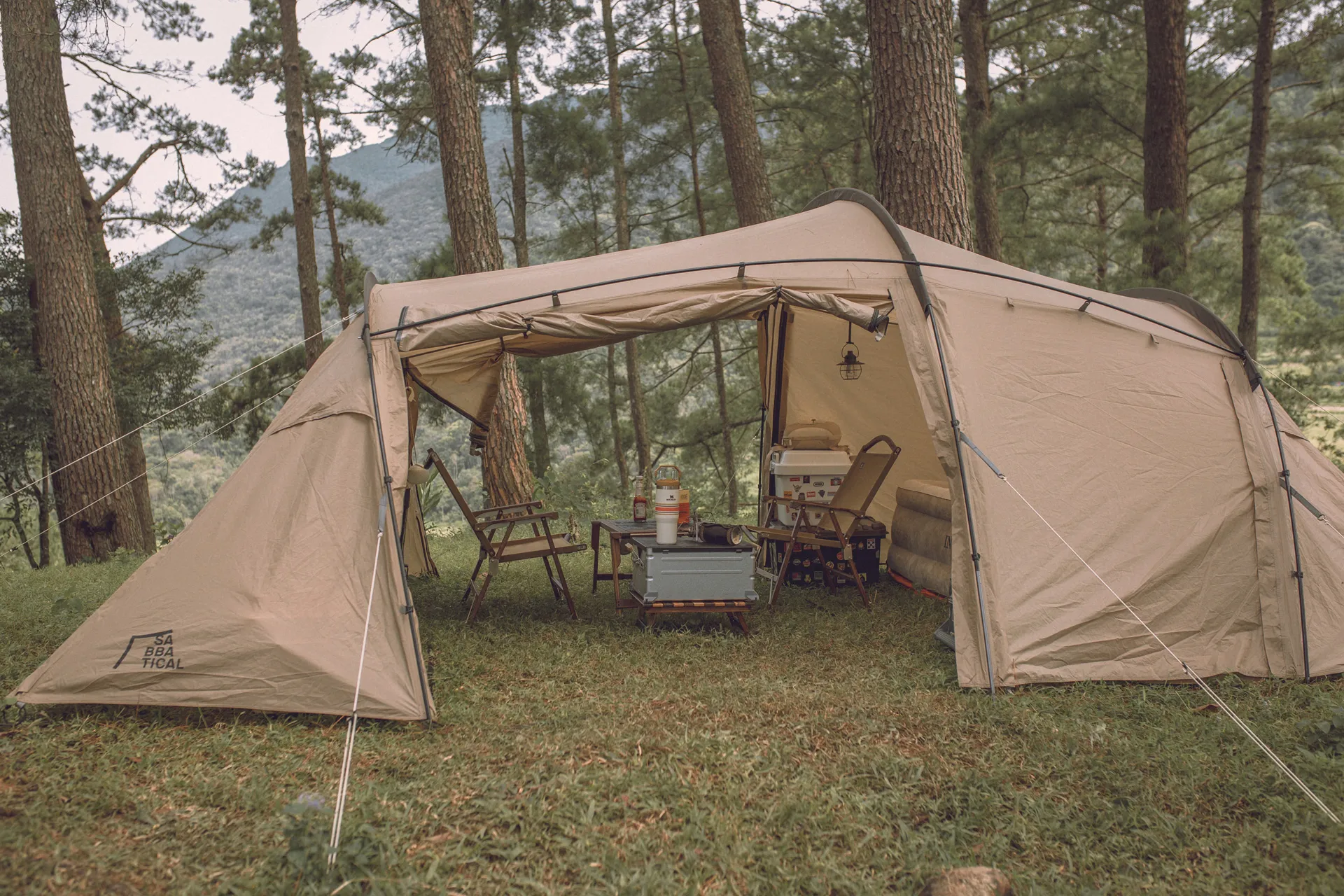
Tents Across Different Price Tiers
Sleeping Bags and Pads
Sleeping bags need to be stocked with temperature rating clearly displayed and explained, since this is one of the most common points of confusion for newer campers trying to figure out what are the essentials for camping in their specific climate and season. Sleeping pads deserve equal shelf attention despite often being treated as an afterthought next to sleeping bags, since insulation from the ground matters just as much for comfort and warmth as the bag itself, and customers who skip this purchase frequently return disappointed with their overall camping experience.
Cooking and Food Storage Essentials
Once shelter and sleep are covered, cooking and food storage represent the next core category any camping retailer needs to stock thoughtfully.
Camp Stoves and Fuel
Camp stoves span a wide range from simple, inexpensive single burner options to more elaborate multi burner systems suited to car camping and larger groups. Stocking the appropriate fuel canisters and cartridges alongside the stoves themselves matters enormously, since a customer buying a stove without matching fuel readily available on the same shelf often ends up frustrated or, worse, buying the wrong fuel type entirely and returning later with a compatibility problem.
Coolers and Food Storage
Coolers range from basic foam options through to heavy duty rotomolded coolers capable of holding ice for several days, and this category benefits from clear in store signage explaining ice retention differences, since price differences between tiers can be substantial and customers often need help understanding what they’re actually paying for. Food storage containers, particularly bear resistant options for retailers serving customers in regions with wildlife concerns, round out this category and are frequently overlooked in a basic assortment despite being genuinely essential for many camping trips.
Lighting and Power Essentials
Lighting and power needs have expanded considerably as camping has become more tech connected, and this category deserves more shelf space than it might have a decade ago.
Headlamps and Lanterns
Headlamps remain one of the most consistently purchased camping essentials across every customer segment, from casual car campers to serious backpackers, and stocking a reasonable range of brightness levels and battery types serves the broadest customer base. Lanterns complement headlamps for camp area lighting specifically, and battery powered or rechargeable LED options have largely replaced older fuel based lanterns in most retail assortments given their convenience and safety advantages.
Portable Power and Charging
Portable power banks and solar charging options have become a genuine camping essential for a growing share of customers who want to keep phones and other devices charged during longer trips. This category continues to grow steadily, and retailers who treat it as a core essential rather than an accessory afterthought tend to capture meaningful incremental sales from customers who wouldn’t have specifically sought this category out but purchase it readily once they see it well presented near other essentials.
Camp Furniture Essentials
Furniture is where many camping retailers underinvest relative to actual customer demand, despite it being one of the more consistently repurchased categories given how much wear outdoor furniture takes over repeated use.
Camping Chairs as a Core Stocking Category
Camping chairs belong firmly in any answer to what are the essentials for camping, and retailers sourcing camping chair wholesale volume should stock across multiple categories, standard folding chairs for general use, more compact packable options for backpackers and smaller vehicles, and larger, more comfortable oversized chairs for car campers and RV customers prioritizing comfort over portability. Chairs also see meaningful repeat purchase volume, since they wear out and break more frequently than most other camping essentials, making this category a reliable source of recurring sales for retailers who keep it well stocked. Pricing tiers matter here too, a retailer stocking only budget chairs misses out on customers willing to pay more for genuine comfort features, while a retailer stocking only premium chairs prices out the large segment of occasional campers looking for a functional, affordable option.
Picnic Tables for Campgrounds and Larger Sites
Wholesale picnic tables matter less for individual retail customers and considerably more for the campground and park operators many distributors also serve as B2B accounts. Retailers and distributors supplying this customer segment should maintain relationships that support both single unit retail sales and larger bulk orders for campgrounds furnishing multiple sites, since these two customer types have very different volume needs from the same underlying product category. A distributor capable of fulfilling both a single table for a retail customer’s backyard and a fifty table order for a new campground development, without treating the smaller order as an inconvenience, tends to build stronger long term relationships across both ends of that customer spectrum.

Picnic Tables for Campgrounds and Larger Sites
Working With a Single Camp Furniture Supplier for Consistency
Sourcing camping chairs, tables, and related furniture through a single camp furniture supplier rather than juggling multiple manufacturers simplifies quality control and makes it considerably easier to maintain consistent style and branding across a furniture assortment. Dreamer Camp supplies retailers and distributors across this full furniture category, supporting both individual retail volume and larger wholesale camping equipment orders for customers like campgrounds and rental operations, letting retailers build a cohesive furniture section without coordinating separately across several suppliers for chairs versus tables versus other furniture pieces.
Clothing and Apparel Essentials
Apparel is easy to overlook in a camping specific retail assortment, but it belongs firmly in any complete answer to what are the essentials for camping, and it drives meaningful incremental basket size when merchandised alongside core gear categories.
Layering Systems for Variable Weather
A well stocked apparel section should cover a basic layering system, moisture wicking base layers, an insulating mid layer, and a weather resistant outer shell, since camping weather can shift dramatically even within a single day and customers new to the activity often underestimate how much temperature swings between daytime activity and nighttime cold. Retailers who explain this layering concept through in store signage or online product descriptions help first time campers make more confident purchasing decisions rather than either overbuying unnecessary items or underbuying and having an uncomfortable trip.
Footwear as a High Margin Complementary Category
Camping specific footwear, from lightweight camp shoes to more rugged hiking boots depending on the retailer’s customer base, rounds out the apparel category and typically carries healthy margins relative to hard goods like tents and furniture. Retailers who merchandise footwear near tents and sleeping gear, rather than in a completely separate section of the store, tend to see stronger attachment rates from customers already in a camping mindset while shopping.
Merchandising Essentials to Drive Attachment Sales
Beyond simply having the right categories in stock, how a retailer physically or digitally merchandises camping essentials meaningfully affects average basket size and overall category performance.
Grouping Complementary Categories Together
Retailers who merchandise complementary essentials near each other, stoves next to fuel, sleeping bags next to pads, tents next to footprints and repair kits, consistently see higher attachment rates than those organizing inventory purely by product type in isolated sections. This grouping approach also helps answer the customer’s own version of what are the essentials for camping in real time as they shop, since seeing a complete kit laid out together prompts purchases a customer might not have thought to seek out individually.
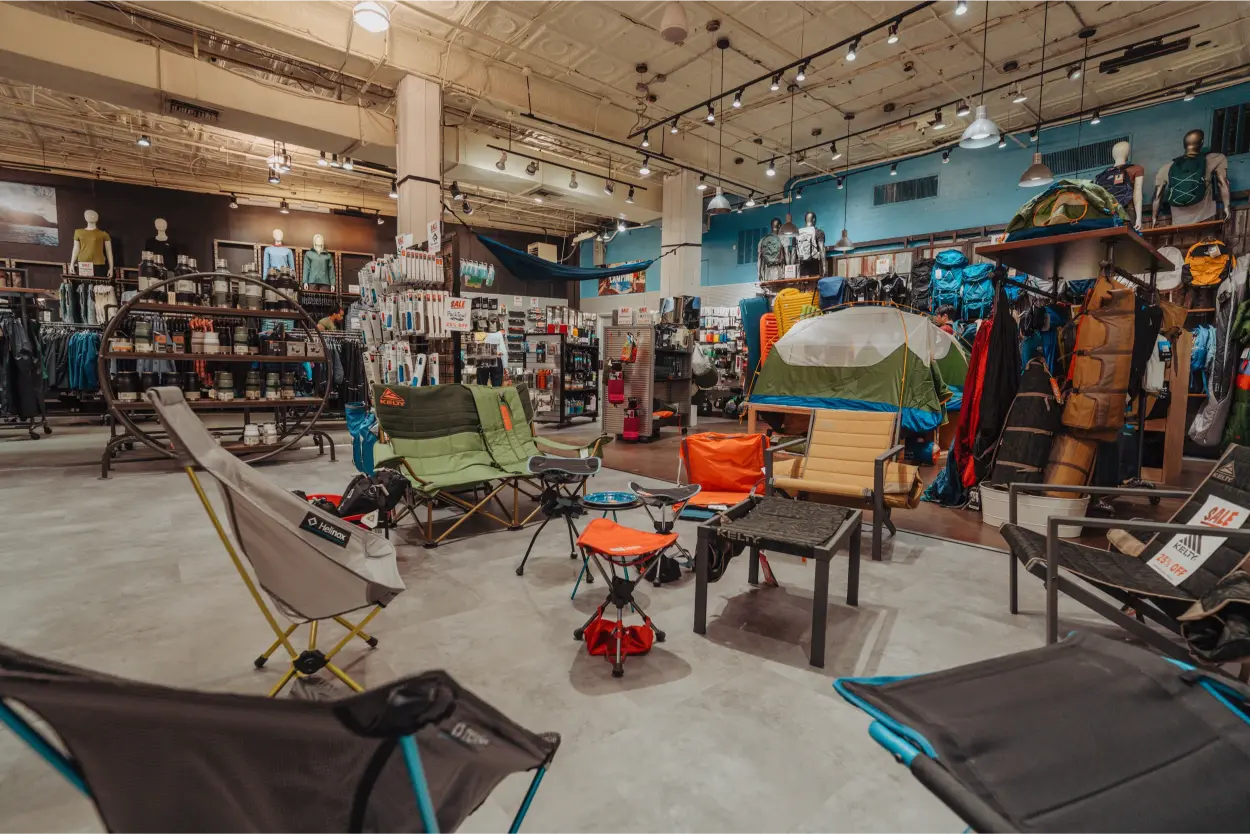
Grouping Complementary Categories Together
Bundling for New Camper Confidence
First time campers in particular respond well to pre built starter bundles combining core essentials, a tent, sleeping bag, pad, and basic cook set, at a bundled price point that removes the guesswork from a first purchase. This approach works especially well for retailers targeting less experienced customers who find an overwhelming aisle of individual product choices intimidating, and it typically drives a larger average transaction than the same customer would have assembled piecing items together individually.
Safety and Navigation Essentials
No camping essentials assortment is complete without covering safety and navigation, a category that matters just as much for liability and customer trust as for actual sales volume. First aid kits sized appropriately for camping specifically, rather than generic home first aid kits, address a genuine gap many first time campers don’t realize they have until they’re already at a campsite. Navigation tools, from simple compasses through to GPS devices, remain relevant even in an era of smartphone mapping, particularly for customers heading to areas with unreliable cell coverage. And fire starting essentials, waterproof matches, reliable lighters, and fire starter cubes, round out this category as genuinely essential rather than optional gear.
Seasonal and Regional Variation in What to Stock
What are the essentials for camping shifts meaningfully depending on season and region, and retailers who adjust their assortment accordingly consistently outperform those running an identical inventory mix year round.
Adjusting Inventory for Climate
Retailers in colder climates or serving customers heading to higher elevation destinations need deeper inventory in insulated sleeping bags, four season tents, and cold weather layering, while retailers in warmer regions can shift more shelf space toward sun protection, cooling gear, and lighter weight shelter options. This seasonal and regional adjustment matters as much for wholesale camping equipment purchasing decisions as it does for final retail shelf placement, since ordering the wrong seasonal mix from a wholesale supplier ties up capital in inventory that won’t move as quickly as properly matched seasonal stock.
Adjusting Inventory for Customer Type
Retailers serving a customer base weighted toward car camping and RV use should stock deeper in furniture, coolers, and comfort oriented gear, while retailers serving a more backcountry or backpacking focused customer base need to prioritize lightweight, packable versions of the same core categories. Understanding which customer type actually drives the majority of store traffic, rather than assuming a generic camping assortment fits everyone equally well, is one of the more overlooked strategic decisions in building a genuinely profitable camping section.
Building a Balanced Wholesale Camping Equipment Assortment
Pulling all of this together, a genuinely balanced wholesale camping equipment assortment covers every core category, shelter, sleep, cooking, lighting, furniture, and safety, at multiple price tiers, without over concentrating inventory in any single category at the expense of the others. Retailers who build their initial assortment plan around this full picture, rather than reactively restocking whatever sold well last season, tend to build a more resilient camping section that performs consistently across changing customer demand rather than one that’s only strong in a narrow slice of what customers actually need when figuring out what are the essentials for camping for their specific trip.
What Distributors Should Look for When Sourcing These Essentials
Distributors and retailers sourcing across these categories should apply consistent evaluation criteria regardless of which specific product line is under discussion. Confirm minimum order quantities specific to each category, since furniture, shelter, and smaller accessory items often carry very different MOQ structures even from the same supplier. Request samples before committing to a full order, particularly for furniture and shelter categories where material quality is difficult to fully judge from photos or spec sheets alone. Confirm lead times realistically against your actual seasonal ordering calendar, since camping retail follows a predictable seasonal demand pattern and suppliers with strong lead time reliability during peak pre season ordering periods are worth prioritizing over suppliers offering marginally better pricing but less predictable delivery timing. And ask directly about a supplier’s ability to scale with your business over time, since a wholesale relationship that works well at a modest initial order volume doesn’t automatically continue working smoothly once your camping essentials assortment grows significantly, making it worth discussing growth expectations openly during the initial sourcing conversation rather than assuming capacity will simply be there when you need it later.
Getting Started
Whether you’re building out a camping section from scratch or refining an existing assortment, working through each core category systematically, rather than stocking reactively, gives you a genuinely solid foundation to build a profitable, well rounded camping department. Looking to source camping chairs, picnic tables, or a full furniture line for your store or distribution business? Reach out to Dreamer Camp to discuss wholesale pricing, minimum order quantities, and lead times across your camping essentials assortment.
Read more: Where to Buy Camping Gear Best Stores Online Shops and Wholesale Suppliers in 2026
YOU MAY ALSO BE INTERESTED IN
How to Choose Camping Chair Suppliers: A Buyer’s Comparison Guide
Bulk Camping Chairs Built to Export Standards for Global Markets
What Are the Essentials for Camping A Stocking Guide for Retailers and Distributors
The Ultimate Camping Chair Wholesale Guide for Retailers and Distributors
The Complete Guide to Outdoor Equipment Wholesale for Growing Brands
Camping Equipment Suppliers in Vietnam: A Sourcing Overview for Buyers