


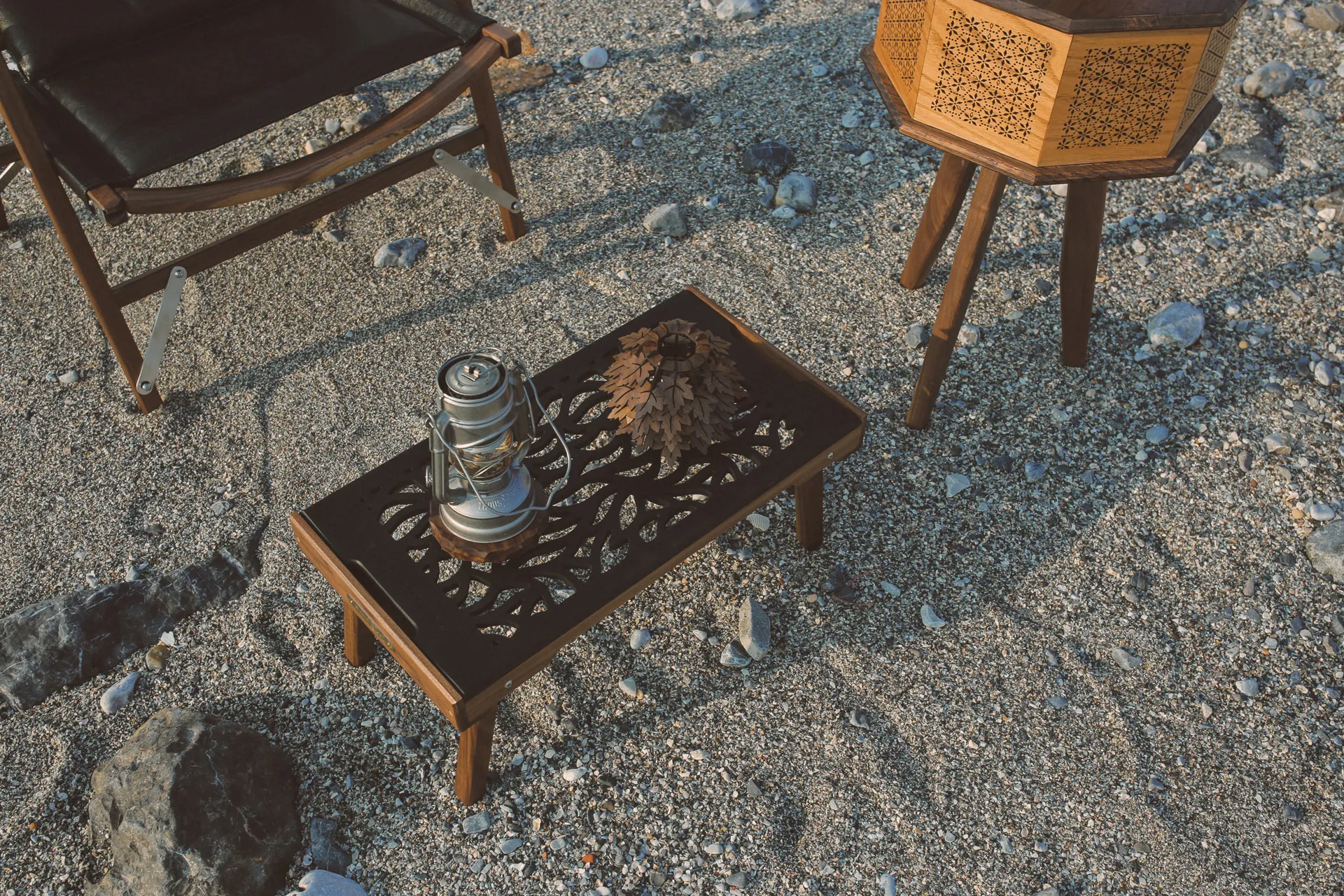
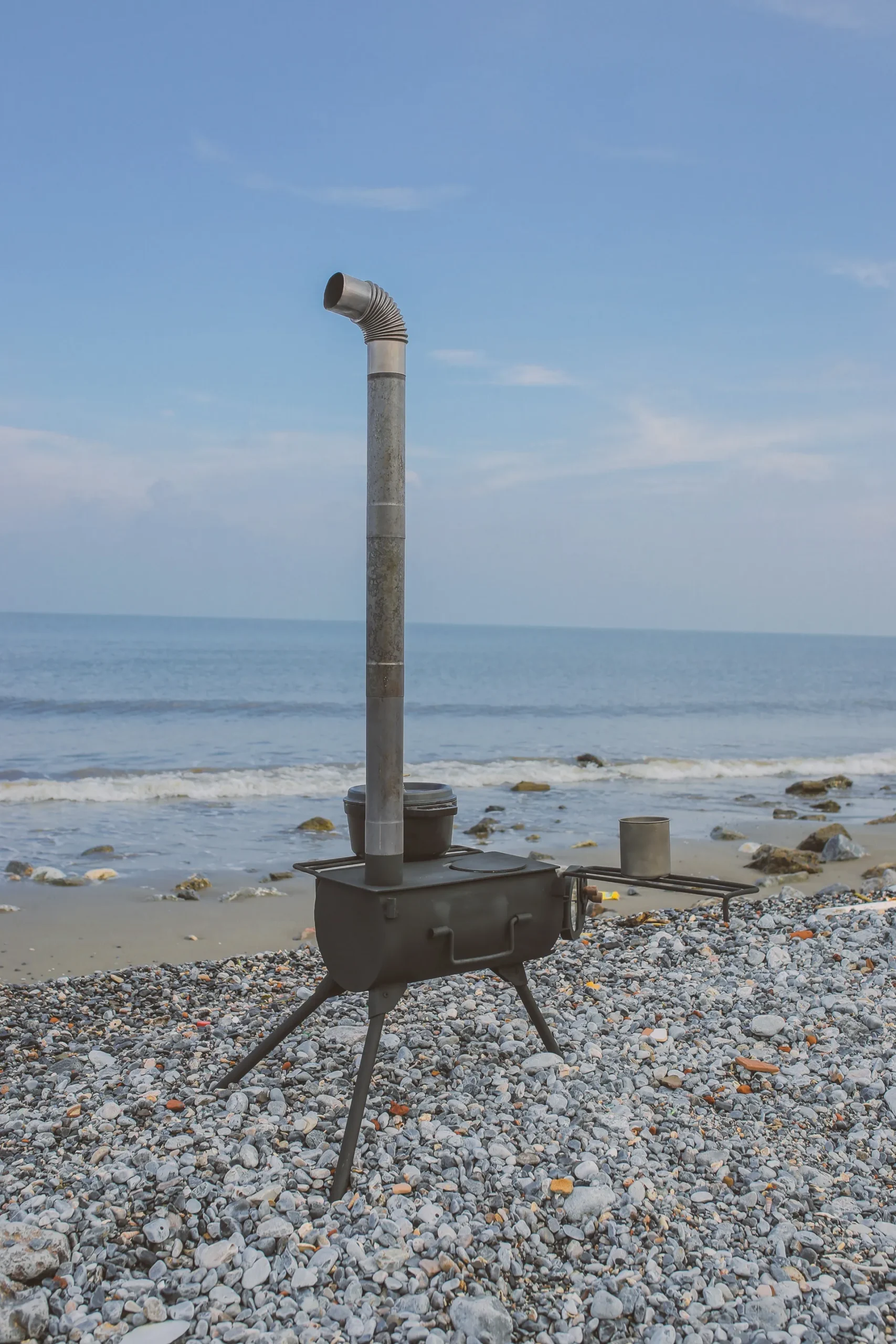
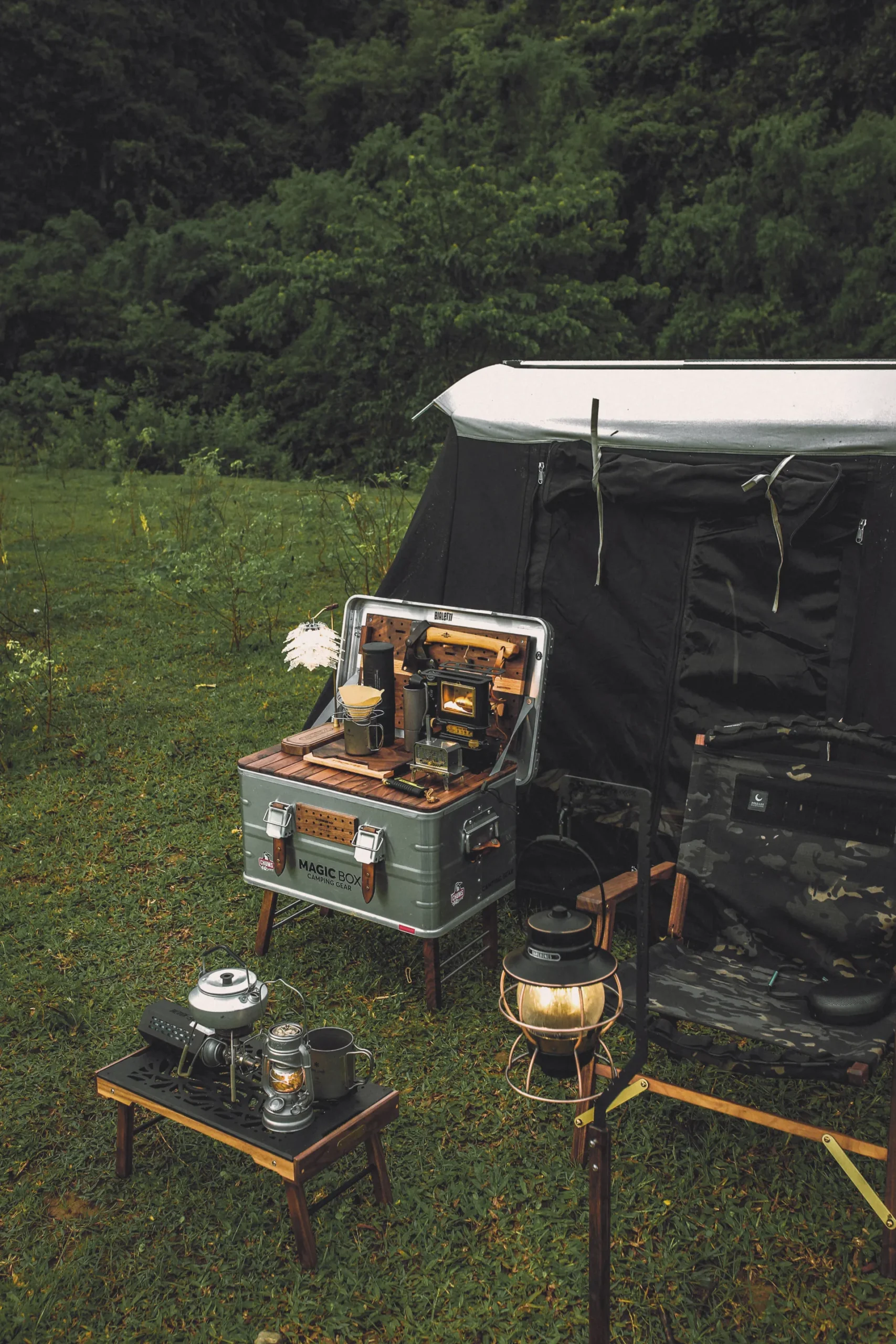
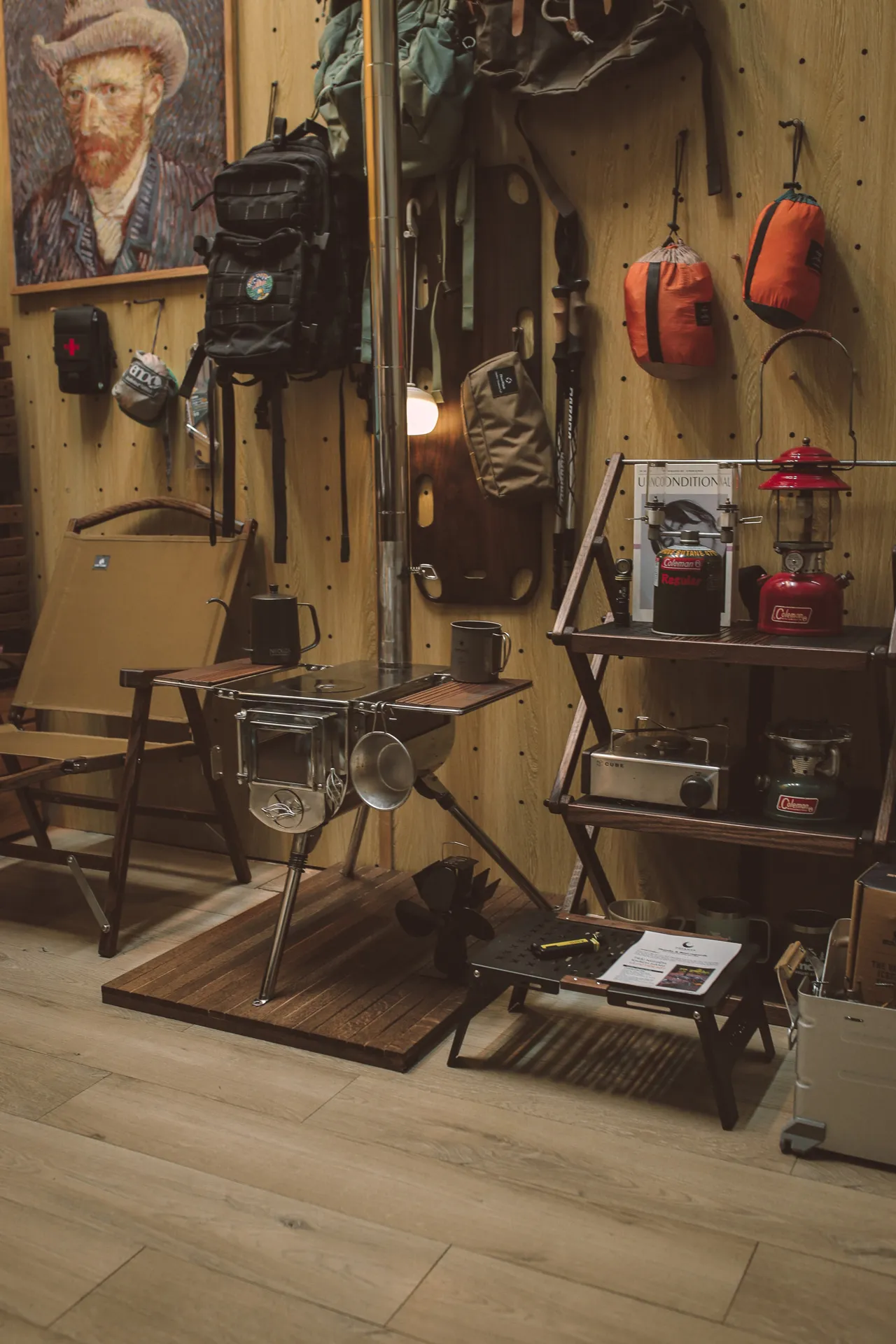
Vietnam has quietly become one of the most interesting places to evaluate camping equipment suppliers, and understanding why can help any importer or retailer source smarter. As buyers diversify their supply chains away from a single country of origin, Vietnam has emerged as a serious contender — combining skilled craftsmanship, competitive costs, and growing export experience. But “made in Vietnam” is not a guarantee of quality on its own, and the country’s suppliers range from large industrial factories to small artisan workshops. This overview takes an even-handed look at the landscape: why Vietnam has risen as a sourcing hub, the types of suppliers you’ll encounter, and the factors that separate a reliable partner from a risky one.
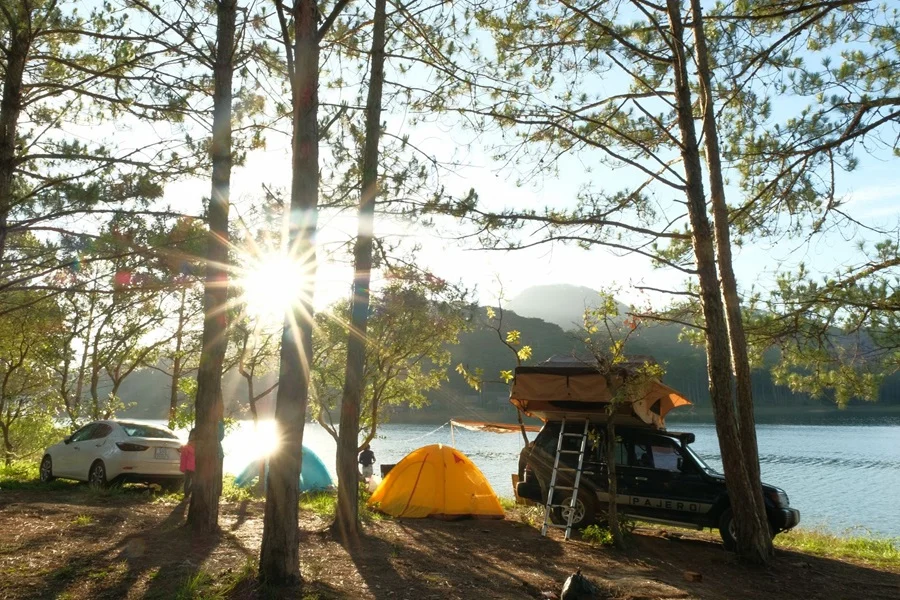
Why Vietnam Has Become a Hub for Camping Equipment Suppliers
Several structural shifts have pushed Vietnam up the list for buyers of outdoor gear and furniture.
Supply Chain Diversification
Many international buyers now follow a “China plus one” strategy, spreading production across more than one country to reduce risk. Vietnam has been a primary beneficiary, attracting manufacturing investment across furniture, textiles, and outdoor goods. Its growing base of camping equipment manufacturers gives buyers a genuine alternative source without sacrificing scale, and the country’s trade agreements with the EU and other regions can ease tariffs for qualifying goods.
Materials and Craftsmanship
Vietnam has a long woodworking and textile heritage, which suits camping furniture and accessories particularly well. The country produces significant volumes of certified wood, and access to responsibly sourced timber matters for both durability and market access — FSC certification, for example, is often required for entry into environmentally regulated markets. That combination of material availability and hand-finishing skill is a large part of why the outdoor equipment wholesale trade increasingly routes through Vietnamese workshops.
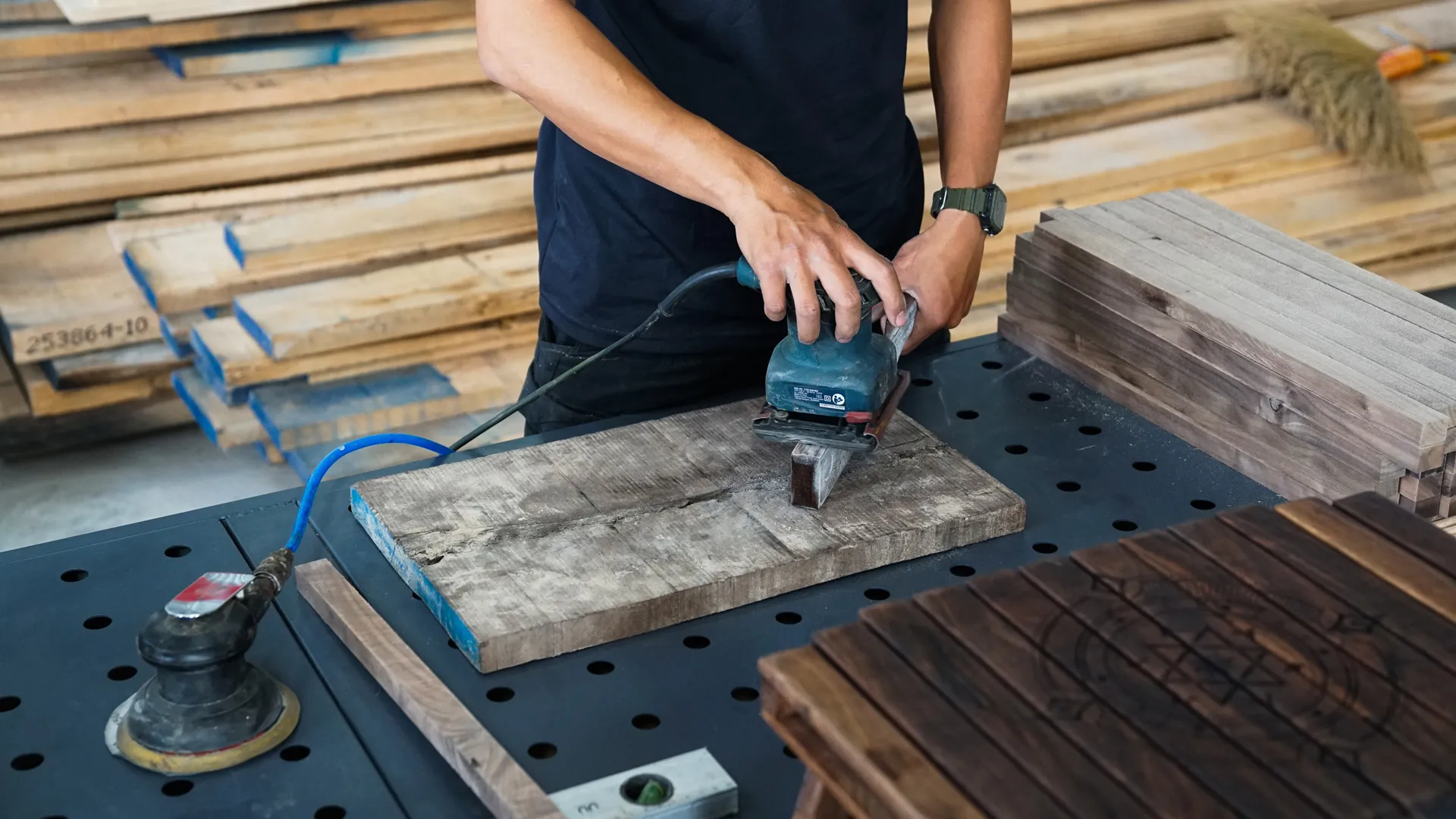
Why Vietnam Has Become a Hub for Camping Equipment Suppliers
Types of Camping Equipment Suppliers You’ll Encounter
Not all suppliers operate the same way, and knowing the categories helps you match a partner to your business model.
Large Factories vs. Artisan Workshops
Large factories excel at high-volume, standardized production and low unit costs, but often require substantial minimum orders. Artisan workshops focus on craftsmanship, smaller batches, and customization — ideal for premium or boutique ranges, though usually at a higher per-unit price. Neither is inherently better; the right fit depends on whether you prioritize volume and cost or quality and exclusivity. A capable camping manufacturer will be upfront about which of these strengths it actually offers.
Manufacturers vs. Distributors
It’s also worth distinguishing makers from resellers. A camping gear manufacturer produces goods directly, typically offering better pricing and customization. A camping wholesale distributor resells from multiple factories, providing variety and lower MOQs at a higher cost. Some manufacturers also act as a full-service camping equipment supplier, handling design, production, and consolidated shipping under one relationship. Understanding which model you’re dealing with prevents surprises about origin, margin, and control.
The label “supplier” covers everything from a 500-worker factory to a ten-person workshop to a pure reseller. Clarifying which one you’re talking to is the first step in any serious sourcing conversation.
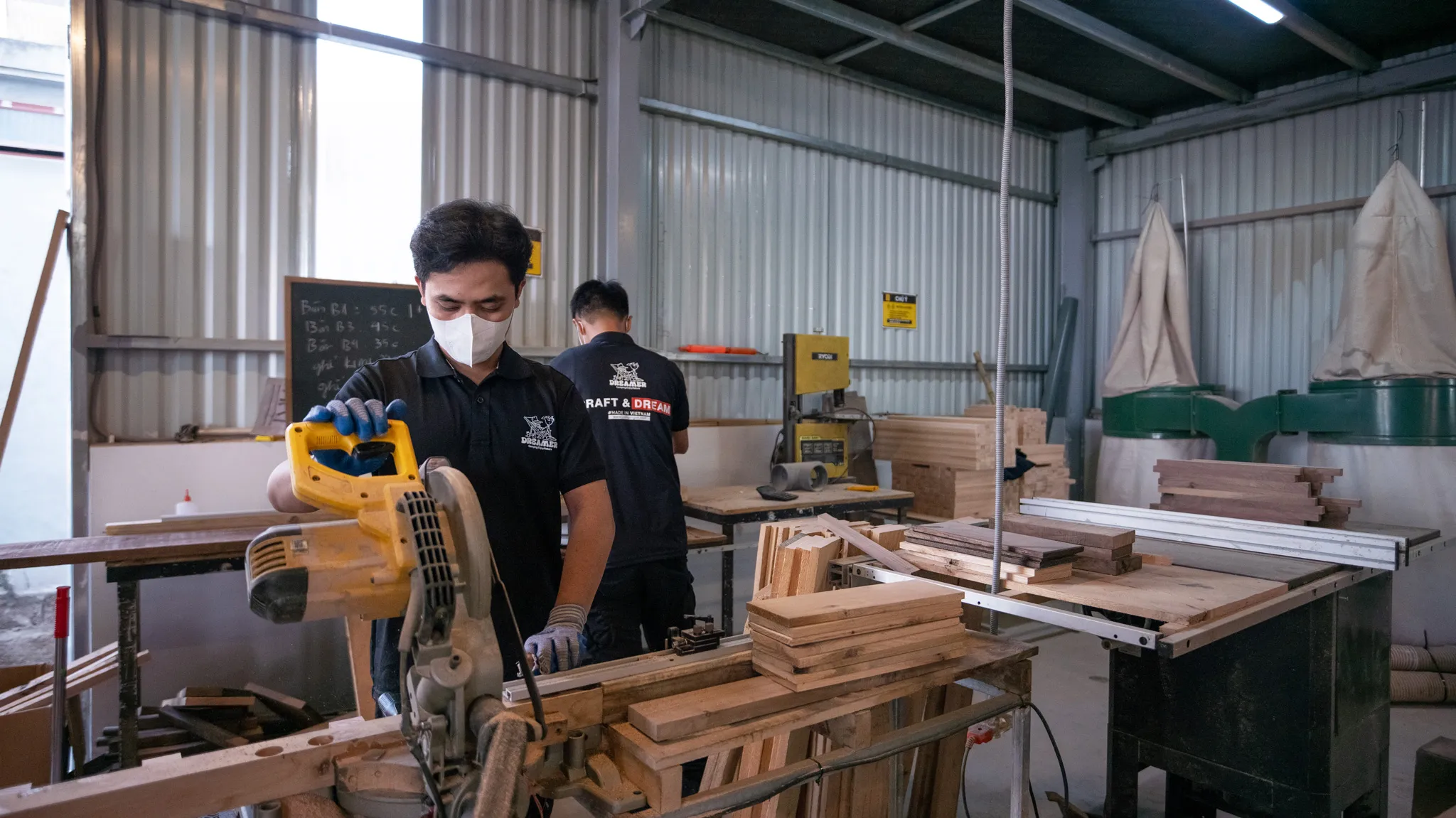
How to Evaluate Camping Equipment Suppliers
Regardless of country, the same fundamentals separate a dependable partner from a costly mistake.
Quality Control and Consistency
A beautiful sample means little if the bulk order doesn’t match it. Ask suppliers exactly how they guarantee batch-to-batch consistency, and look for documented, multi-stage inspection rather than vague assurances. The most reliable camping wholesale suppliers check at component, assembly, and pre-shipment stages.
MOQs, Pricing, and Lead Times
Clarify minimum order quantities early, since they shape your inventory risk more than anything else. Lower MOQs — sometimes 20 to 50 units — let you test a range before committing capital. Confirm tiered pricing against realistic sell-through, and get production and shipping timelines in writing; hand-finished goods often need a 30–45 day window.
Export Experience and Compliance
For overseas buyers, a supplier’s export track record is a real asset. Ask whether they’ve shipped to your region and whether products meet relevant standards such as REACH or RoHS. Suppliers who already understand these requirements remove risk before it reaches customs — a quality that distinguishes seasoned camping gear distributors and manufacturers from newcomers.
Total landed cost — MOQ, freight, duties, and returns combined — is a far better decision metric than headline unit price. A consistent supplier almost always wins on the full picture.
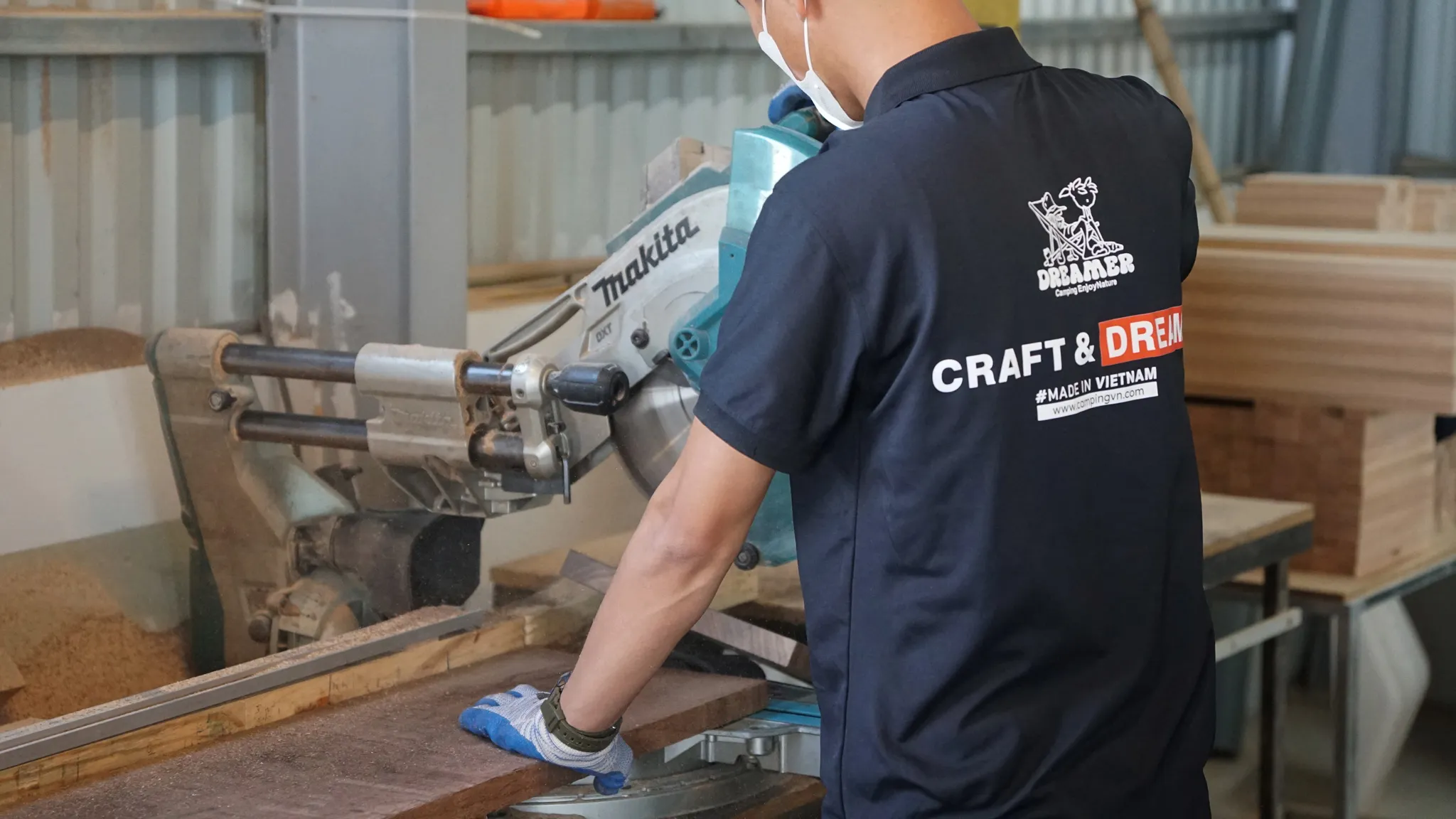
Where Dreamer Camp Fits In
Within this landscape, Dreamer Camp is one example of Vietnam’s artisan-workshop segment. Based in Vietnam, it focuses on premium camping furniture and accessories built with FSC-certified wood, high-grade metals, and genuine leather, and offers flexible low MOQs alongside OEM/ODM services for buyers wanting an exclusive, branded line. It won’t be the right fit for every buyer — high-volume operations may prefer a large industrial factory — but it illustrates the kind of specialized, export-ready supplier the country now produces.
Ultimately, sourcing from camping equipment suppliers in Vietnam rewards the same diligence as sourcing anywhere: understand who you’re dealing with, compare the numbers honestly, and choose the partner whose strengths match how your business actually operates.
Read more: Custom Camping Gear for Wholesale and Private Label Brands
YOU MAY ALSO BE INTERESTED IN
Personalized Camping Gear That Builds Your Brand
How to Choose Camping Chair Suppliers: A Buyer’s Comparison Guide
Wholesale Camping Supplies: A Buyer’s Sourcing Guide
What Happens After You Email a Camping Gear Supplier? Inside a Dreamer Camp Partnership
The Complete Guide to Outdoor Equipment Wholesale for Growing Brands
The Complete Wholesale Buying Guide for Camp Chairs in Bulk