

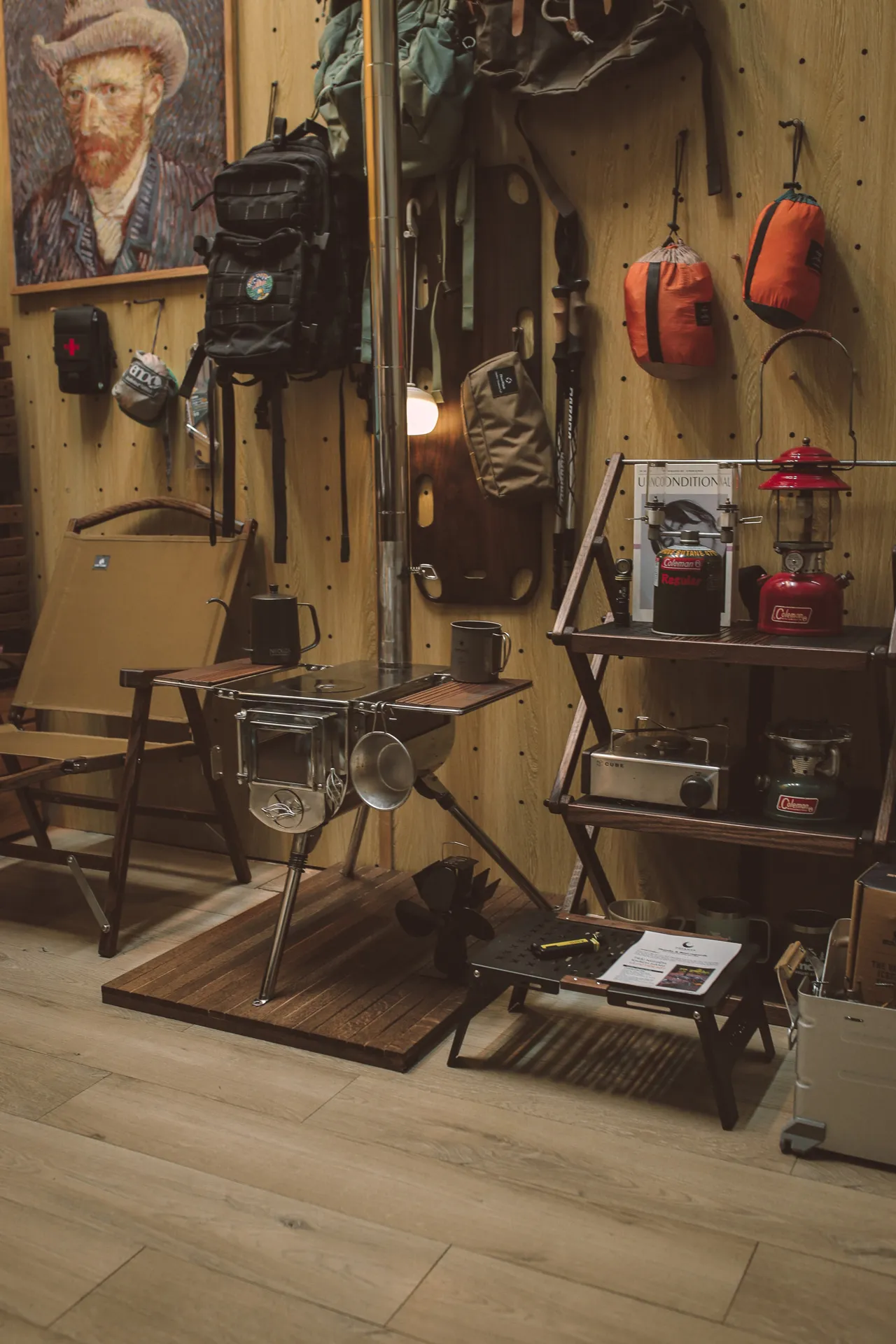
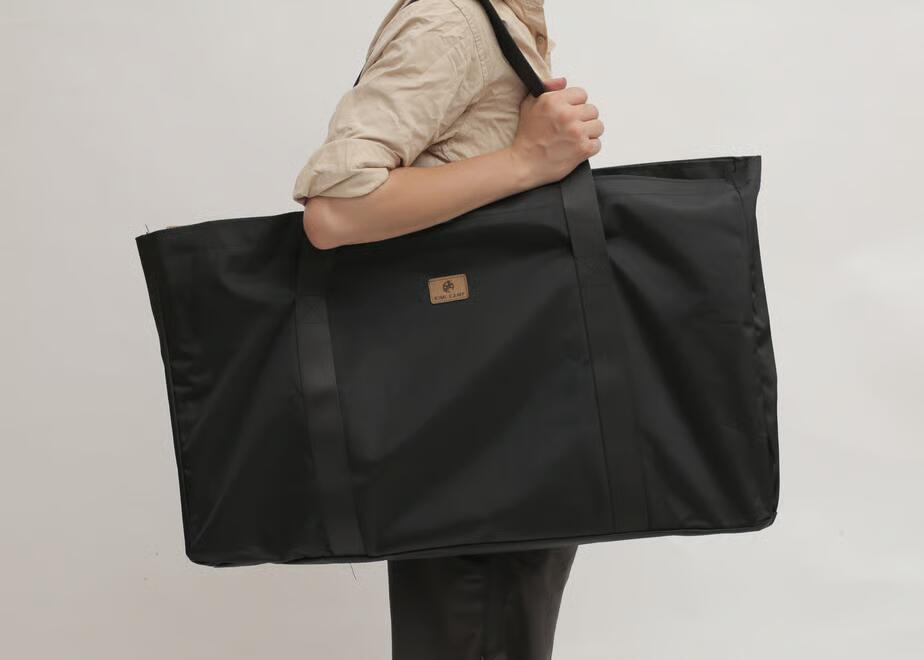
Choosing where to buy wholesale camping gear is one of the most consequential decisions an outdoor retailer or distributor makes, and there’s no single right answer. The best source for a boutique concept store looks nothing like the best source for a big-box chain. Manufacturers, distributors, and trade-show suppliers each offer a different mix of price, flexibility, and risk, and the “cheapest” option often carries hidden costs that only surface at customs or on the returns shelf. This guide takes an even-handed look at the wholesale camping gear landscape — the supplier types, the numbers that matter, and the trade-offs behind each — so you can decide what actually fits your business.
Understanding the Wholesale Camping Gear Landscape
Before comparing individual vendors, it helps to understand the three broad categories of supplier, because each serves a different kind of buyer.
Manufacturers, Distributors, and Trade Shows
A manufacturer makes the product itself. Buying direct usually means the best pricing and full control over customization, but often higher minimum orders. A distributor resells goods from many factories, offering variety and lower MOQs at a higher per-unit cost. Trade shows sit somewhere in between — a place to meet suppliers face-to-face, discover new lines, and negotiate terms, though they require travel and planning. Most established retailers end up using a mix. The category you lean on depends on whether you value cost and exclusivity or breadth and convenience, and many camping equipment manufacturers now sell through more than one of these channels at once.
Domestic vs. Overseas Sourcing
Sourcing locally shortens lead times and simplifies communication, but the unit cost is typically higher. Overseas sourcing — commonly from manufacturing hubs across Asia — can significantly reduce cost, at the price of longer shipping, import complexity, and the need to vet suppliers you can’t visit easily. Neither is universally better. The right choice depends on your margins, your cash flow, and how much sourcing risk you’re prepared to manage. The global outdoor market itself continues to expand, with the outdoor gear and equipment sector projected to keep growing steadily through the decade, which is part of why the outdoor equipment wholesale channel has become so competitive.
Key Factors to Compare When Sourcing Wholesale Camping Gear
Once you’ve narrowed the type of supplier, the comparison comes down to a handful of measurable factors. Weigh them together rather than fixating on price alone.
Minimum Order Quantities and Pricing
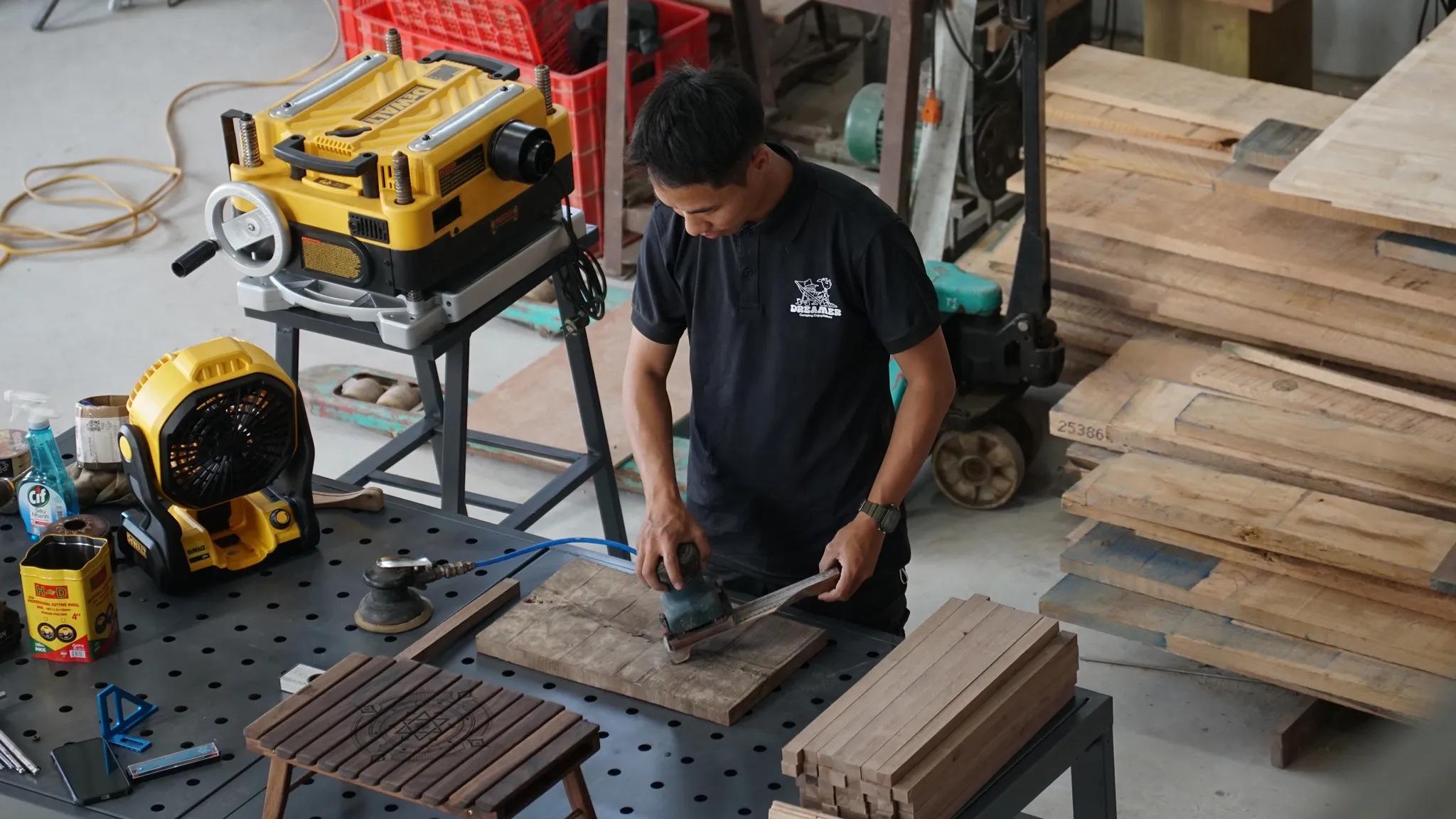
MOQ shapes your risk more than almost anything else. Large factories may require hundreds or thousands of units per SKU, which unlocks low pricing but ties up capital if the stock moves slowly. Smaller workshops offer far lower MOQs — sometimes 20 to 50 units — letting you test a range first. Look at tiered pricing too, but always measure it against realistic sell-through rather than the headline discount. Across the camping wholesale market, the lowest unit price rarely equals the lowest total cost.
Quality, Materials, and Certifications
Materials determine lifespan and returns. Ask what the wood, metal, and fabric actually are, and whether they’re documented — responsibly sourced FSC-certified wood, for instance, matters for both durability and access to regulated markets. Ask how consistency is guaranteed across a batch, since a great sample means little if unit 200 differs. Reputable camping wholesale suppliers document their quality-control stages rather than simply promising quality.
Lead Times and Reliability
Confirm production and shipping timelines in writing. Hand-finished goods take longer than mass-molded plastic, so a 30–45 day window is normal for premium work. Check a supplier’s track record for on-time delivery, and favor partners who communicate clearly about delays before they become your problem.
The smartest sourcing decisions weigh MOQ, freight, duties, and expected returns together. A slightly higher unit price from a consistent supplier usually beats a cheap one that fills your shelves with returns.
Matching Supplier Type to Your Business Model
There’s no universally “best” source — only the best fit for how you operate. Here’s how the options tend to align with different business models.
Boutique and Concept Stores
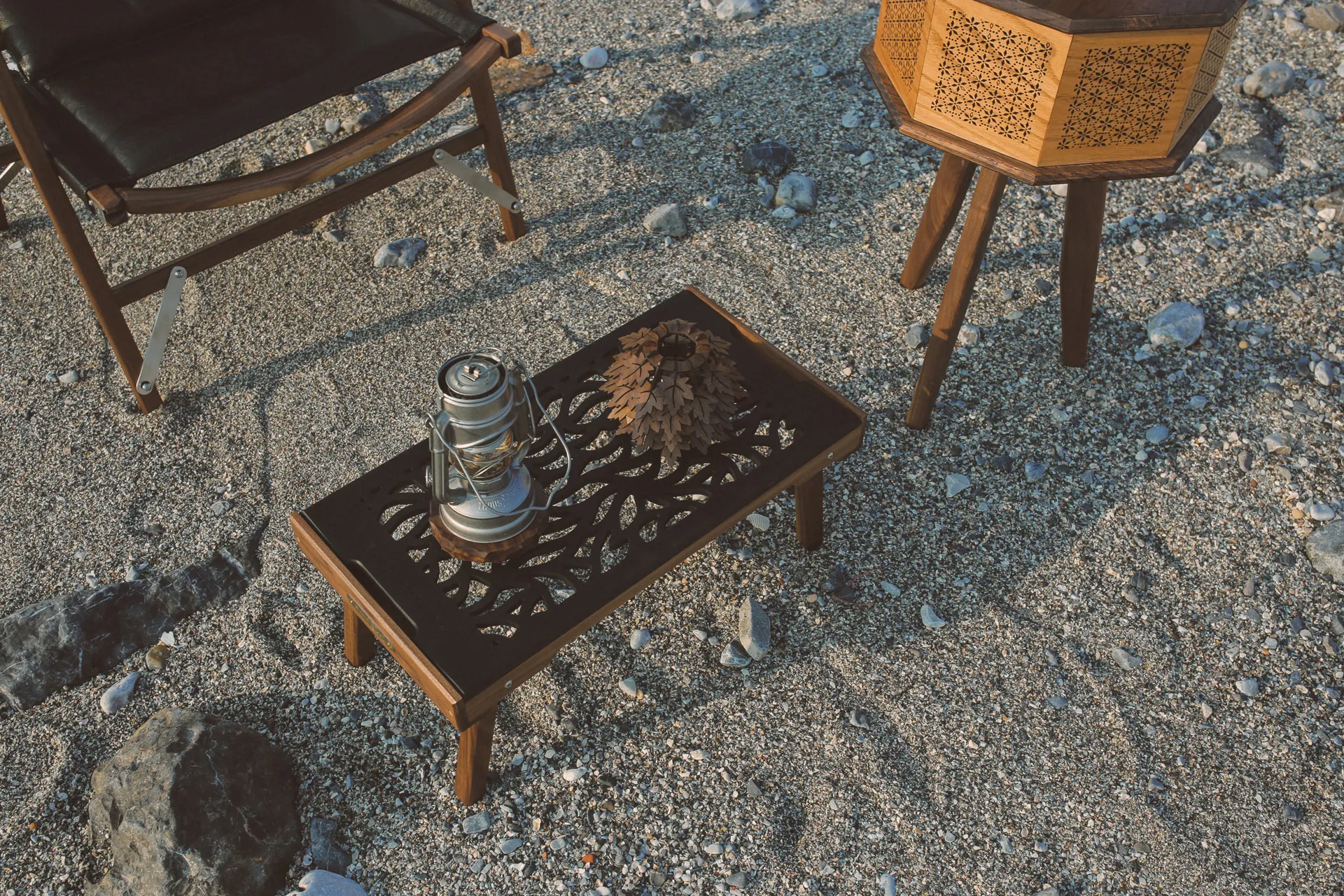
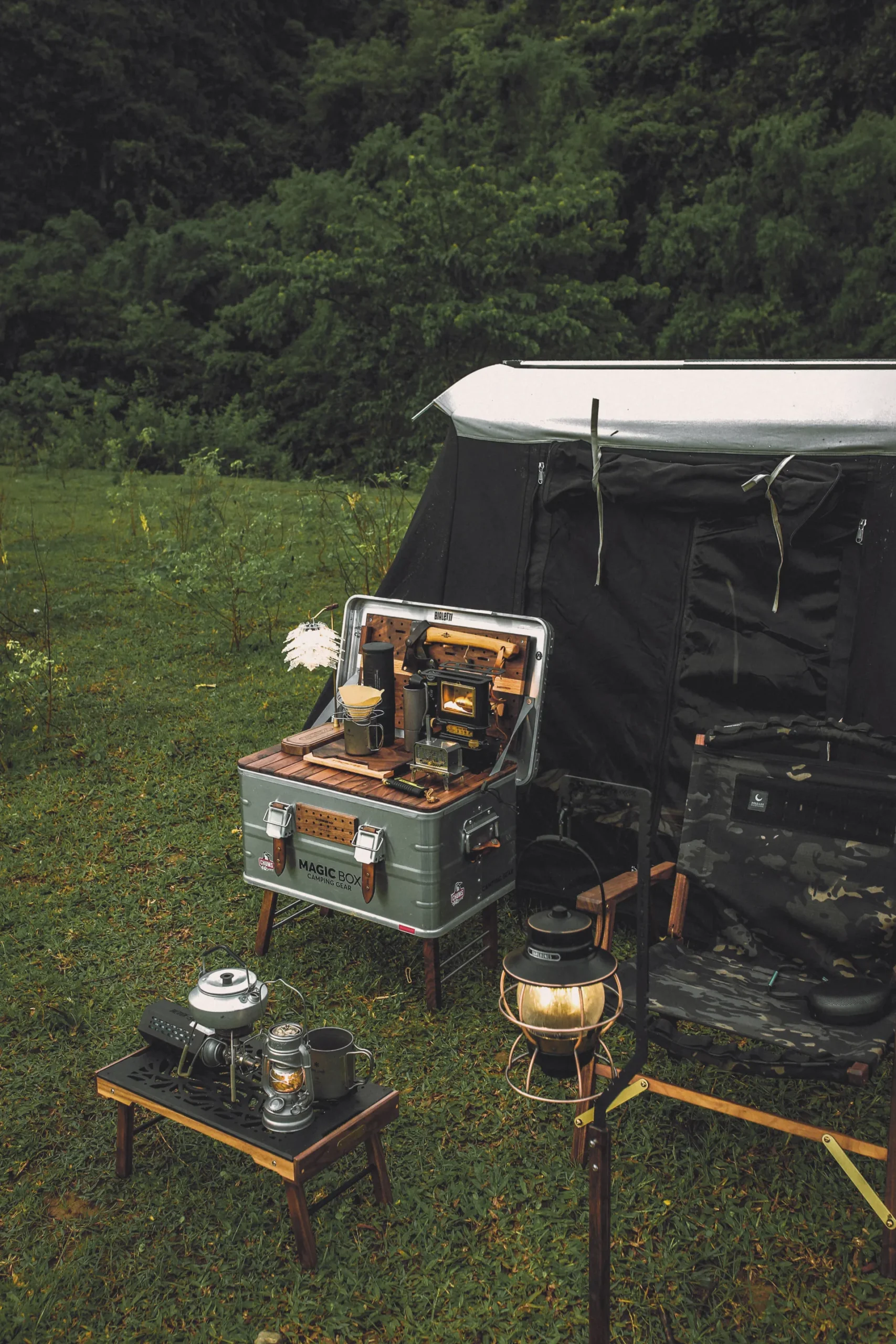
Smaller, design-led retailers usually benefit from low-MOQ manufacturers or specialist suppliers that allow curated, exclusive ranges without heavy inventory risk. Working directly with a camping gear manufacturer that offers OEM/ODM can let these stores own a distinctive product line rather than reselling the same catalog as everyone else. A good camping manufacturer will also be transparent about materials and process, which matters to discerning end customers.
Volume Retailers and Distributors
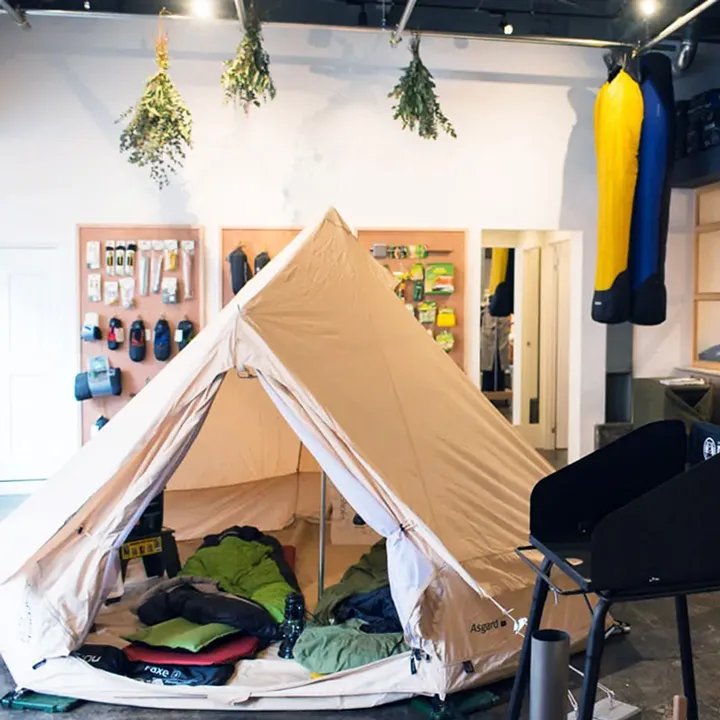
Businesses moving large quantities often prioritize breadth, availability, and predictable restocking. A camping wholesale distributor can supply variety across many brands with lower per-order commitments, which suits operations that need to keep wide shelves full. Some volume buyers also work with a manufacturer that doubles as a full-service camping equipment supplier to consolidate design, production, and shipping under one relationship. Larger camping gear distributors can be efficient, though buyers should confirm product origin and consistency.
The right partner isn’t the one with the biggest catalog or the lowest price — it’s the one whose strengths line up with your business model, margins, and the customers you serve.
Making the Right Wholesale Camping Gear Decision
Sourcing wholesale camping gear well means matching supplier type to your own model rather than chasing a single “best” vendor. Compare MOQs, materials, certifications, and lead times side by side, weigh domestic against overseas trade-offs honestly, and choose the partner whose strengths fit how you actually operate. For buyers building an exclusive, premium line, Dreamer Camp is one option worth evaluating — a Vietnam-based workshop offering FSC-certified materials, flexible low MOQs, and OEM/ODM capabilities — but the broader lesson holds regardless of whom you pick: source deliberately, ask the right questions, and total cost will look after your margins better than headline price ever will.
Read more: Custom Camping Gear for Wholesale and Private Label Brands
YOU MAY ALSO BE INTERESTED IN
The Complete Guide to Outdoor Equipment Wholesale for Growing Brands
What Happens After You Email a Camping Gear Supplier? Inside a Dreamer Camp Partnership
What Are the Essentials for Camping A Stocking Guide for Retailers and Distributors
Why Japanese Buyers Trust Dreamer Camp as Their Premium Outdoor Gear Wholesaler
Personalized Camping Gear That Builds Your Brand
Wholesale Camping Gear: How to Choose the Right Supplier in 2026